What Is an Underwater Scooter? Sea Scooter, DPV, and Dive Scooter
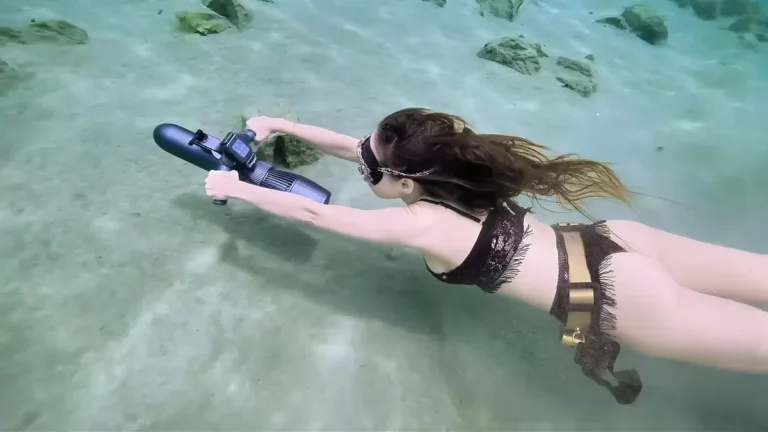
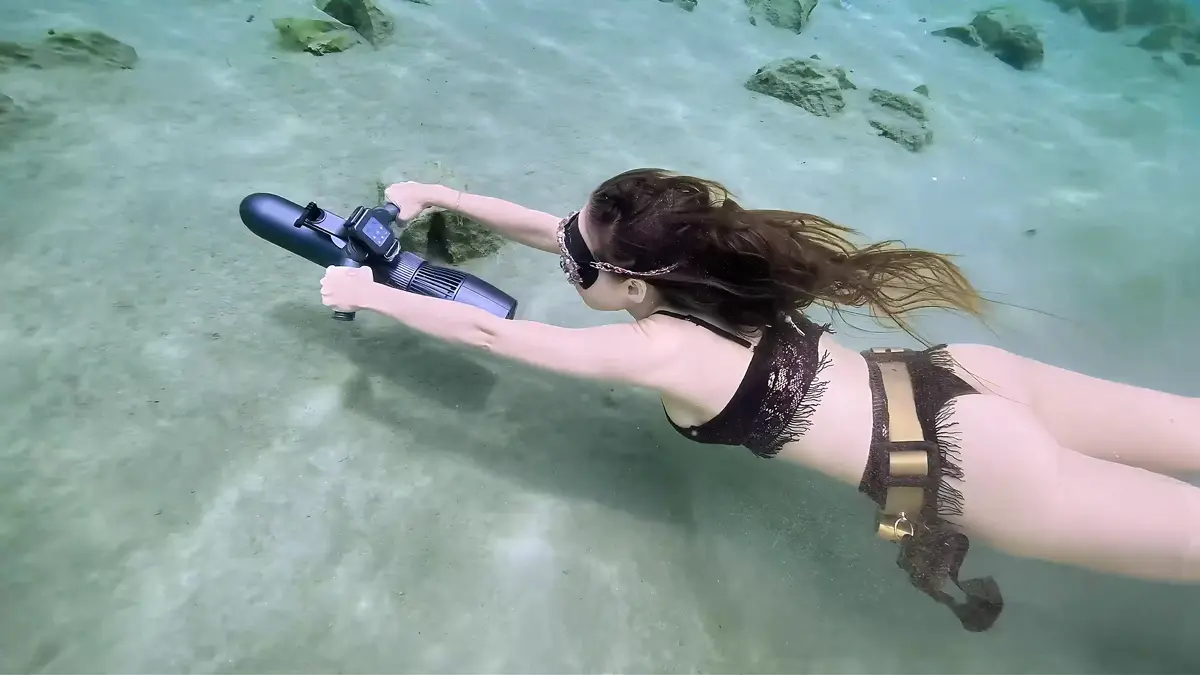
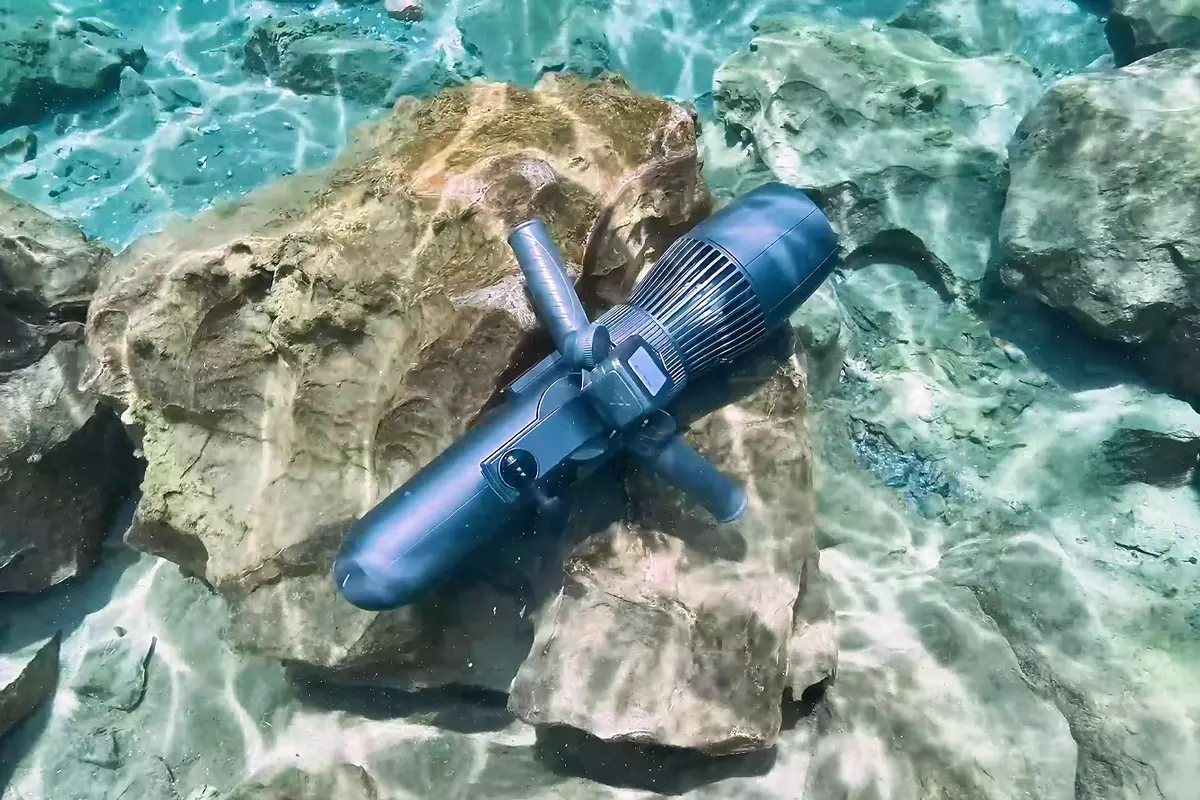
What is an underwater scooter? An underwater scooter is a compact electric propulsion device that helps a swimmer or diver move through the water with less kicking effort. It is also commonly called a sea scooter, dive scooter, scuba scooter, or DPV.
Most underwater scooters combine a rechargeable battery, electric motor, protected propeller, user controls and a waterproof housing. Together, these components provide controlled forward propulsion while the user swims or dives.
For a recreational user, the attraction is easy to understand. An underwater scooter can extend the area you explore, reduce repetitive finning and make underwater movement feel more effortless. For a retailer or distributor, however, the important questions go beyond the basic idea: speed, runtime, operating depth, handling, waterproof design, battery documentation, serviceability and the intended type of diving all matter.
Underwater scooter, sea scooter and dive scooter: what is the difference?
In normal product searches, these terms often point to the same broad product category.
Underwater scooter is the broadest consumer-facing term. It can describe products used for snorkeling, recreational diving and underwater exploration.
Sea scooter is a common recreational term. It is often used for compact products aimed at holiday, snorkeling and casual water-sports users, although more capable models are also marketed under this name.
Dive scooter or scuba scooter puts the emphasis on diving use. A buyer using these terms is more likely to care about operating depth, runtime, underwater control and how the scooter behaves during a planned dive.
DPV stands for diver propulsion vehicle. In diving circles, DPV is the more technical term. It can include everything from compact hand-held units to larger propulsion vehicles used by experienced divers.
The labels are useful, but the name alone does not tell you how a product performs. Two products both called “sea scooters” can have very different battery capacities, motor power, operating depths and intended users.
What Is an Underwater Scooter and How Does It Work?
An electric underwater scooter normally brings together five main elements:
- Battery — stores the energy that powers the system.
- Electric motor — converts electrical energy into rotational motion.
- Propeller — creates thrust by moving water through the propulsion section.
- Controller and user controls — allow the user to start, stop and select available speed settings.
- Waterproof housing and seals — protect the electrical and mechanical system during submerged operation.
A well-designed system is not simply about installing the most powerful motor possible. Motor power, propeller design, battery capacity, current draw, thermal management, weight and control all have to work together.
That is why a useful comparison should never look at watts alone.
What specifications matter most?
1. Speed
Speed is easy to market because it produces a single headline number. It is still only one part of the experience. A diver needs controllable propulsion, not just maximum speed.
For example, KESZING’s LXHD 5-2 and LXHD 5-3 are 500W platforms with a listed speed range of 3–7 km/h. The 7-series is positioned above them for higher-output diving applications.
2. Battery energy and runtime
Battery capacity deserves as much attention as motor power. Runtime varies with speed setting, drag, current, user load and operating conditions.
This is why battery energy in watt-hours (Wh) is especially useful when comparing products. A higher-capacity battery can support longer operation, but it also affects weight, charging and transport considerations.
3. Operating depth
The depth rating must match how the product will actually be used. A pool toy and a scooter intended for scuba diving should not be evaluated by the same standard.
KESZING’s current LXHD 5-2 and LXHD 5-3 product pages list a 30 m operating depth and IPX8 waterproof rating.
4. Handling and buoyancy
A scooter that is powerful on paper can still be tiring if it is awkward to handle. Balance, grip position, buoyancy and how easily the user can control speed all influence the real experience underwater.
Some models use additional buoyancy structures for users who want different handling characteristics. This is one of the distinctions between KESZING’s LXHD 7-1 and LXHD 7-1 PLUS platforms.
5. Service and documentation
For an individual diver, this may mean access to a charger, battery information and operating instructions. For a distributor or importer, the list is longer: product documentation, applicable test reports, battery transport documents, lead time, replacement support and manufacturing consistency all matter.
Who is an underwater scooter for?
The most common recreational applications include:
- Scuba diving
- Snorkeling
- Underwater exploration
- Underwater photography support
- Water-sports experiences
Some propulsion platforms can also be integrated into compatible watercraft systems. KESZING’s LXHD 7-1, for example, can be used as part of a propulsion setup mounted beneath a compatible inflatable watercraft. That application requires a proper mounting configuration rather than simply attaching a hand-held scooter to a boat.
Which KESZING platform should a buyer start with?
For a buyer who wants a simple entry point into the range:
- LXHD 5-2: 500W entry platform, 222Wh battery, 3–7 km/h listed speed, 40–160 min listed runtime.
- LXHD 5-3: 500W long-runtime platform, 355.2Wh battery, 3–7 km/h listed speed, 60–200 min listed runtime.
- LXHD 7-1: KESZING’s current main promotion model for diving and longer-runtime use, with a 700W propulsion platform and 355.2Wh battery.
- LXHD 7-1 PLUS: based on the 7-1 platform with an added buoyancy chamber.
The right choice depends on the intended use, desired runtime and how the product will be sold or operated.
FAQ
Is a sea scooter the same as an underwater scooter?
Usually, yes. “Sea scooter” is a common recreational marketing term, while “underwater scooter” is broader.
What does DPV mean in scuba diving?
DPV means diver propulsion vehicle. It is the technical diving term for a propulsion device that assists a diver’s movement underwater.
Is a more powerful underwater scooter always better?
No. More motor power can provide higher performance, but runtime, battery capacity, controllability, weight and the intended diving environment are equally important.
Can an underwater scooter be used for snorkeling?
Yes, depending on the product and the user’s ability. For snorkeling, controllability, buoyancy, weight and lower-speed operation can matter more than maximum power.
What is an underwater scooter used for?
An underwater scooter helps divers and swimmers travel underwater with less physical effort, making it useful for snorkeling, scuba diving and underwater exploration.
Looking for an Underwater Scooter Supplier?
Looking for an underwater scooter for retail, distribution, diving or OEM/ODM projects? Explore the KESZING underwater scooter range or contact us for specifications and a quotation