
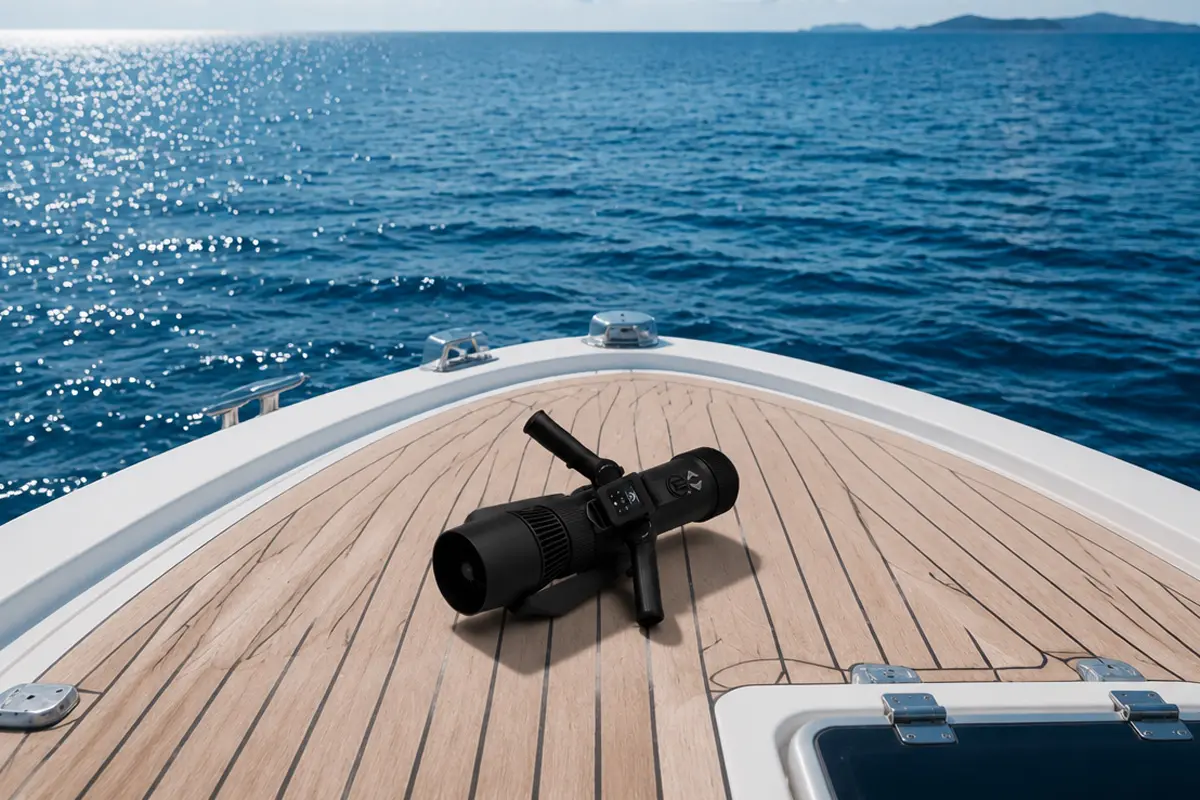
The Evolution of Underwater Thrusters: From Early Diving Tools to Modern Electric Underwater Propulsion Systems
The Evolution of Underwater Propulsion Systems
Underwater propulsion systems have transformed how people explore, work, and move beneath the water. From early mechanical diver-assist devices to modern electric underwater scooters, advances in motor technology, battery performance, and waterproof engineering have made underwater mobility more efficient and accessible.
Today, underwater propulsion technology supports recreational diving, snorkeling, underwater exploration, and professional marine applications. Manufacturers continue to develop more compact, reliable, and energy-efficient electric propulsion solutions to meet the needs of different users and markets.
What Are Underwater Propulsion Systems?
Underwater propulsion systems are electric or mechanical devices designed to generate thrust and move equipment or users through water.
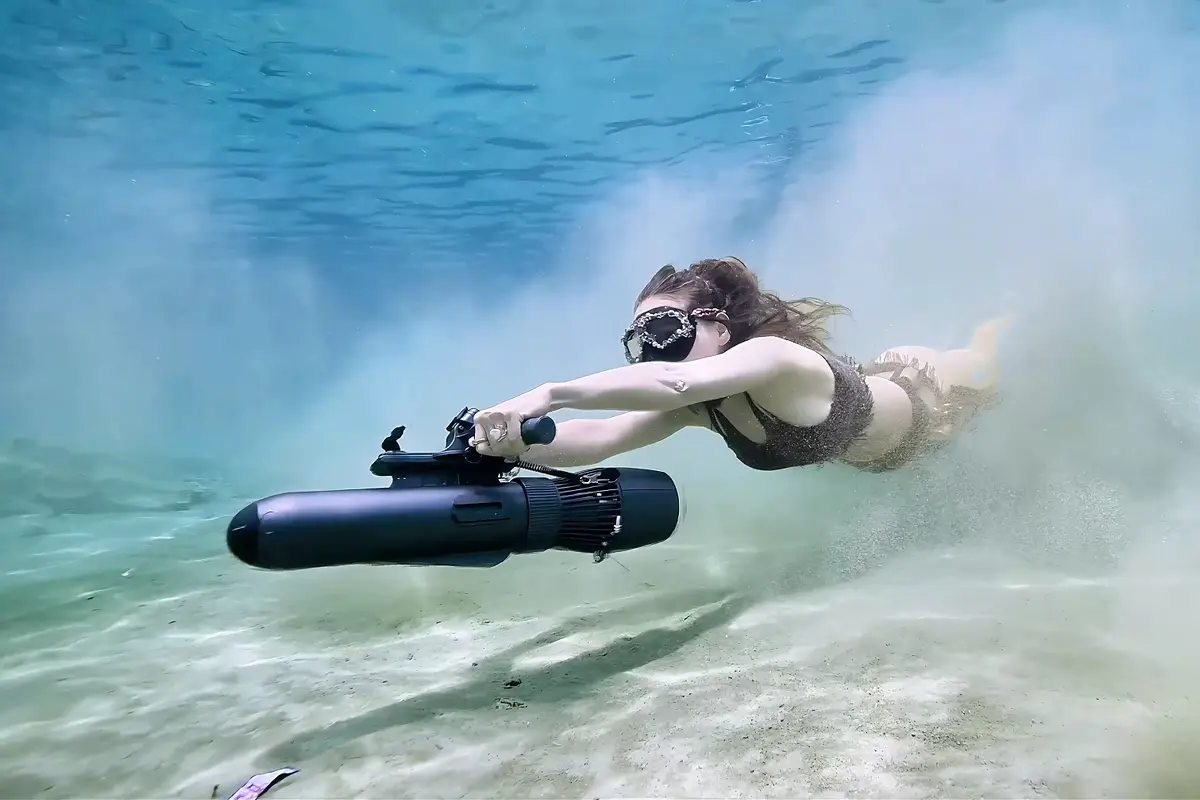
For recreational and professional diving, an underwater scooter, also known as a Diver Propulsion Vehicle (DPV), uses an electric motor and propeller to help divers travel underwater with less physical effort.
Marine propulsion systems serve a different purpose. They provide powered movement for small boats, inflatable watercraft, paddleboards, and other water sports equipment.
Although these products serve different applications, both rely on efficient electric motors, reliable power systems, and carefully engineered waterproof structures.
The Evolution of Underwater Propulsion Technology
1. Early Development of Diver Propulsion Vehicles
Early underwater propulsion devices were relatively large, heavy, and primarily designed for military or specialized diving operations.
As electric motors and battery technology developed, manufacturers began producing more compact and practical diver propulsion vehicles.
These improvements gradually expanded their use beyond specialized operations into recreational diving and underwater exploration.
2. The Development of Electric Underwater Scooters
The development of rechargeable batteries and compact electric motors created new possibilities for underwater mobility.
Modern underwater scooters use battery-powered motors to drive propellers, helping divers cover greater distances and explore underwater environments more efficiently.
Common applications include:
- Recreational scuba diving
- Snorkeling and underwater exploration
- Underwater photography
- Marine research
- Professional diving operations
The development of portable electric underwater scooters has also created opportunities for manufacturers and distributors in the growing water sports equipment market.
Five Key Advances in Modern Underwater Propulsion Systems
1. High-Efficiency Brushless Motors
Brushless DC (BLDC) motors have become an important technology in modern electric propulsion equipment.
Compared with traditional brushed motor designs, brushless motors offer several advantages:
- High electrical efficiency
- Reduced mechanical wear
- Lower maintenance requirements
- Compact motor construction
- Consistent power delivery
These characteristics make BLDC motors suitable for underwater scooters and other compact electric marine propulsion applications.
2. Advanced Rechargeable Battery Technology
Battery performance directly affects the operating time, portability, and overall usability of electric propulsion equipment.
Modern lithium battery systems provide high energy density in relatively compact packages.
Important battery considerations include:
- Battery capacity and voltage
- Continuous discharge capability
- Charging efficiency
- Thermal management
- Battery protection systems
For manufacturers, selecting the appropriate battery configuration is essential to achieving a balance between power output, operating time, weight, and product dimensions.
3. Improved Waterproof Engineering
Waterproof protection is one of the most important design considerations for underwater equipment.
Modern underwater propulsion systems incorporate engineering features such as:
- Precision sealing structures
- Waterproof motor housings
- Protected electrical connections
- Corrosion-resistant materials
- Product testing and quality inspection
Reliable waterproof engineering helps protect electrical components and supports consistent performance in demanding aquatic environments.
4. More Compact and Portable Designs
Improvements in motor efficiency, battery technology, and structural engineering have allowed manufacturers to develop smaller and lighter propulsion equipment.
Portable underwater scooters are easier to transport, store, and handle, making them suitable for recreational users as well as professional equipment suppliers.
Compact electric propulsion solutions are also increasingly important for inflatable boats, SUP boards, and other portable watercraft.
5. Smarter Control and Improved User Experience
Modern electric propulsion equipment increasingly focuses on practical control systems and user-friendly operation.
Depending on the product design, important features may include:
- Adjustable power settings
- Convenient speed control
- Battery status monitoring
- Safety protection mechanisms
- Ergonomic operating structures
These improvements help manufacturers develop products for different applications and customer requirements.
Applications of Electric Underwater and Marine Propulsion
Electric propulsion technology now serves several different water-based markets.
Underwater Scooters and Diving Equipment
Electric underwater scooters help divers move through the water with less physical effort. They are used in recreational diving, underwater photography, and marine exploration.
Inflatable Boats and Watercraft
Electric marine propulsion systems can provide powered movement for inflatable boats and other small watercraft, offering an alternative to traditional fuel-powered propulsion.
SUP Boards and Water Sports Equipment
Compact electric fin drives and detachable propulsion systems can provide additional mobility for compatible paddleboards and other water sports equipment.
For diving and marine equipment operators, selecting the correct propulsion system depends on the intended application, compatibility, operating requirements, and safety considerations.
For additional information about DPV operation and training, see the Divers Alert Network guide to diver propulsion vehicles.
What Should Distributors Consider When Choosing an Underwater Propulsion Supplier?
For distributors, wholesalers, importers, and OEM/ODM partners, product performance is only one part of a successful sourcing decision.
Other important considerations include:
- Product range: Availability of different underwater scooter and marine propulsion configurations.
- Motor technology: Motor efficiency, reliability, and suitability for the intended application.
- Battery solutions: Battery capacity, protection, charging options, and transportation documentation.
- Manufacturing capability: Production consistency, quality control, and OEM/ODM customization.
- After-sales support: Warranty coverage, spare parts availability, and technical assistance.
Working with an experienced manufacturer can help business partners develop a competitive product range and establish long-term supply relationships.
KESZING: Your Electric Underwater Propulsion and Marine Equipment Manufacturer
KESZING develops and manufactures electric underwater scooters, marine propulsion systems, and brushless motor solutions for global water sports and marine equipment markets.
Our product range includes:
- Electric underwater scooters for recreational and professional applications
- Electric fin drives and detachable propulsion systems
- Electric propulsion solutions for inflatable boats and water sports equipment
- BLDC motor technology for selected marine and industrial applications
We work with distributors, wholesalers, importers, and OEM/ODM partners seeking reliable electric propulsion products and manufacturing cooperation.
Whether you are expanding an existing marine equipment business or developing a new water sports product line, KESZING welcomes inquiries from international business partners.
Contact KESZING to discuss product specifications, wholesale pricing, OEM/ODM opportunities, and distribution cooperation.